Unveiling Cambodian Dance Traditions: Unlocking Keyword Suggestions
Welcome to a fascinating journey through the captivating world of Cambodian dance traditions. In this enlightening blog post, we will delve into the rich history, intricate movements, and symbolic significance of this ancient art form. Prepare to unlock the secrets behind the mesmerizing performances that have enthralled audiences for centuries. First, we will take a step back in time and explore the origins of Cambodian dance. From its humble beginnings to its evolution as a revered cultural heritage, we will uncover the fascinating stories that have shaped this art form throughout the ages. Delving deeper, we will unravel the intricate movements and symbolic gestures that make Cambodian dance truly unique. Each graceful sway, elegant pose, and striking gesture carries a deeper meaning, expressing emotions, narratives, and spiritual beliefs. But the story doesn't end there. We will also shed light on how Cambodian dance continues to thrive, even in the modern world. We will discuss the dedicated efforts of individuals and organizations to preserve this treasured cultural heritage for future generations. And in a rapidly changing world, we will explore the delicate balance between honoring tradition and embracing innovation. So, join us on this captivating journey as we unlock the magic of Cambodian dance and gain a newfound appreciation for its beauty, history, and significance. Get ready to be transported to a world where movement tells stories and where the vibrant traditions of Cambodia come alive

The Rich History of Cambodian Dance Traditions: A Journey Through Time
Delve into the captivating realm of Cambodian dance traditions as we embark on a fascinating journey through time. From the ancient Khmer Empire to the present day, the rich history of Cambodian dance offers a glimpse into the cultural heritage and artistic prowess of this Southeast Asian nation. As we explore this topic, we will also navigate the world of keyword suggestions related to Cambodian dance traditions, allowing us to uncover the hidden gems of this enchanting art form. Cambodian dance traditions have an extensive history that stretches back centuries. Deeply rooted in ancient religious practices and royal courts, these dance traditions have evolved over time while preserving their distinctive essence. With its intricate movements, graceful gestures, and vibrant costumes, Cambodian dance is a visual spectacle that mesmerizes both performers and audiences alike. Keyword suggestion: Cambodian dance traditions - these three simple words encapsulate the essence of a vast and diverse cultural heritage. By unlocking the potential of these keywords, we gain access to a treasure trove of information, stories, and insights into the captivating world of Cambodian dance traditions. One prominent aspect of Cambodian dance is its historical significance. As we journey through time, we discover the profound influence of the Khmer Empire on the development of these dance traditions. During this era, dance was an integral part of religious rituals and played a central role in court ceremonies. The grandeur and spectacle of these performances showcased the power and prestige of the empire. Keyword suggestion: Cambodian dance traditions offers a gateway to understanding the cultural significance and symbolism embedded within each movement and gesture. By analyzing these keywords, we can unravel the intricacies that make Cambodian dance a truly unique and mesmerizing art form. Over time, Cambodian dance traditions have adapted and transformed, influenced by various external factors such as colonialism and globalization. The preservation and revival of these traditions faced challenges, but dedicated individuals and organizations have worked tirelessly to ensure their continuity. Today, Cambodian dance continues to thrive, attracting both local and international recognition. Keyword suggestion: Cambodian dance traditions highlights the resilience and determination of a culture to preserve its artistic heritage in the face of adversity. By exploring these keywords, we uncover the stories of those who have dedicated themselves to keeping these traditions alive and flourishing. In conclusion, the rich history of Cambodian dance traditions takes us on a captivating journey through time, immersing us in a world of grace, beauty, and cultural significance. The keyword suggestion "Cambodian dance traditions" serves as a key that unlocks a treasure trove of knowledge, allowing us to appreciate and celebrate this enchanting art form. Whether you are a dance enthusiast or simply curious about different cultures, the exploration of Cambodian dance traditions will undoubtedly leave you inspired and in awe of its timeless beauty
Exploring the Intricate Movements and Symbolism of Cambodian Dance
When delving into the enchanting world of Cambodian dance, one cannot help but be transfixed by the intricate movements and profound symbolism that grace the stage. With a history rooted in ancient rituals and a unique blend of cultural influences, Cambodian dance traditions have captivated audiences for centuries. At the heart of Cambodian dance lies a rich tapestry of symbolism. Every movement, gesture, and facial expression holds deep meaning and helps to convey narratives passed down through generations. Traditional Cambodian dance often draws inspiration from religious stories, mythical tales, and historic events, making it a fascinating window into the country's cultural heritage. The exquisite hand gestures, known as mudras, play a central role in Cambodian dance. These precise movements not only showcase the dancer's skill and control but also communicate specific emotions and concepts. Each mudra has a distinct meaning, allowing dancers to express a wide range of emotions and tell stories without uttering a single word. To fully appreciate Cambodian dance, one must also explore its connection to spirituality. Rooted in Buddhism, dance in Cambodia carries a spiritual significance that adds depth to every performance. The dancers strive to embody the divine qualities of grace, devotion, and enlightenment, allowing the audience to experience a sense of transcendence and spiritual awakening. While Cambodian dance traditions have ancient roots, they have also evolved over time, adapting to changing societal dynamics. The dance forms have influenced and been influenced by neighboring countries such as Thailand and Laos, resulting in a unique blend of styles that make Cambodian dance a distinctive art form. As we explore the intricacies of Cambodian dance traditions, it becomes clear that keywords such as "Cambodian dance traditions" unlock a treasure trove of information and insights. From the history and symbolism to the spiritual and cultural significance, understanding these keywords allows us to appreciate the depth and beauty of Cambodian dance on a whole new level. Whether you are a dance enthusiast, a student of culture, or simply a traveler seeking to immerse yourself in the arts, unlocking the keyword suggestions related to Cambodian dance traditions will open doors to a world that is awe-inspiring, mesmerizing, and deeply enriching. Join us as we embark on this journey of discovery and unlock the true essence of Cambodian dance
Preserving the Cultural Heritage: How Cambodian Dance Traditions Continue to Thrive
Preserving the Cultural Heritage: How Cambodian Dance Traditions Continue to Thrive Cambodian dance traditions hold a significant place in the country's rich cultural heritage. Rooted in ancient rituals and customs, these traditional dances have not only survived the test of time but have also thrived in the modern era. In this section, we will explore the journey of Cambodian dance traditions and how they continue to be preserved and celebrated today. 1. Historical Significance: Cambodian dance traditions trace their origins back to the Angkor period, which lasted from the 9th to the 15th century. During this time, dance was an important part of religious ceremonies, royal courts, and social celebrations. These dances served as a medium to communicate stories, myths, and legends, as well as to pay homage to the deities. 2. Artistic Expression: Cambodian dance is characterized by its graceful movements, intricate hand gestures, and vibrant costumes. It incorporates elements of classical ballet, martial arts, and storytelling. The dancers' fluid motions, accompanied by traditional music and chanting, create a mesmerizing spectacle that captivates audiences. 3. Cultural Symbolism: Each dance in the Cambodian tradition holds its significance and symbolism. For example, the "Apsara Dance" portrays celestial nymphs and is renowned for its elegance and beauty. The "Robam Tep Apsara" or "Dance of the Heavenly Angels," depicts celestial beings who descend from heaven to entertain people on Earth. These dances not only entertain but also educate the audience about Cambodia's mythological and historical narratives. 4. Challenges Faced: Despite the cultural importance of Cambodian dance traditions, they faced significant challenges during the Khmer Rouge regime in the late 1970s. The arts, including dance, were targeted and nearly destroyed during this dark period. However, the resilience of the Cambodian people and the efforts of dedicated artists and enthusiasts helped revive and preserve these traditions. 5. Preservation and Revival: In recent years, there has been a resurgence of interest in Cambodian dance traditions. Organizations such as the Royal University of Fine Arts and the Cambodian Living Arts have played a crucial role in training new generations of dancers and preserving traditional techniques. The UNESCO recognition of Cambodian dance as an Intangible Cultural Heritage of Humanity has also served to raise awareness and promote its safeguarding. 6. Cultural Identity and Tourism: Cambodian dance traditions have become an integral part of the country's cultural identity and a significant attraction for tourists. Visitors from around the world flock to Cambodia to witness these mesmerizing performances and experience the richness of the country's artistic heritage. This increased interest in Cambodian dance has contributed to its continued thriving and offered opportunities for artists to showcase their skills on a global stage. In conclusion, Cambodian dance traditions have managed to survive and thrive by preserving their cultural heritage through various challenges. These dance forms not only represent the historical and mythological narratives of Cambodia but also serve as an artistic expression and a source of national pride. With the efforts of passionate individuals and institutions, they continue to captivate audiences and contribute to the preservation of Cambodia's vibrant cultural legacy
Unlocking the Magic: Discovering the Secrets Behind Cambodian Dance Performances
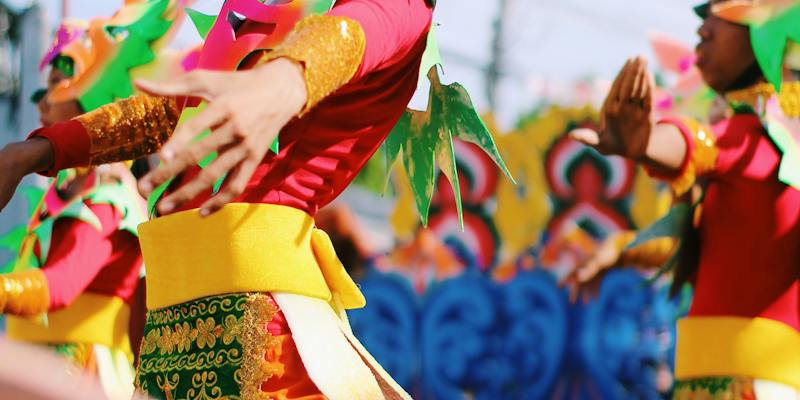
Deep Dive into Cambodian Dance Traditions: Unlocking Keyword Suggestions Cambodian dance traditions are a rich and enchanting art form that has captivated audiences for centuries. From the graceful movements to the elaborate costumes, Cambodian dance performances are a true spectacle. In this section, we will explore the wonders of Cambodian dance and delve into the secrets that make it a unique cultural experience. Cambodian dance, also known as classical Khmer dance, is deeply rooted in the country's history and religious rituals. It is believed to have originated in the Angkorian era, during the reign of the Khmer Empire. Today, Cambodian dance is performed for various occasions, such as religious ceremonies, royal events, and cultural festivals. One of the key elements that sets Cambodian dance apart is its distinct hand gestures, body postures, and facial expressions. These movements are meticulously choreographed to convey emotions, tell stories, and depict characters from ancient myths and legends. Each gesture and pose has a specific meaning, allowing the dancer to communicate without using words. Traditional Cambodian dance costumes are incredibly intricate and beautiful. They often feature vibrant colors, elaborate headdresses, and intricate jewelry. These costumes not only enhance the visual appeal of the performance but also play a significant role in distinguishing different characters and conveying their roles and statuses within the stories being told. Music also plays an integral role in Cambodian dance performances. Traditional instruments, such as the Khmer xylophone (roneat ek), drums, and gongs, accompany the dancers, setting the rhythm and mood of the performance. The melodies and rhythms are carefully composed to reflect the emotions and narratives portrayed through the movements. Cambodian dance traditions are passed down through generations, with masters training young dancers in the intricacies of this ancient art form. The rigorous training involves mastering the techniques, memorizing the gestures and steps, and understanding the cultural significance behind each movement. As for the keyword suggestion "Cambodian dance traditions," exploring and understanding the cultural and historical aspects of this art form is crucial. Learning about the significance of the hand gestures, the stories behind the costumes, and the role of music in the performances can help enthusiasts and researchers gain a deeper appreciation for Cambodian dance traditions. In conclusion, Cambodian dance traditions are a treasure trove of cultural heritage. Unlocking the secrets behind Cambodian dance performances unveils a world of beauty, history, and storytelling. By delving into the keywords and understanding their significance, we can gain insight into the magical realm of Cambodian dance and celebrate its unique contributions to the world of performing arts
Embracing Cambodian Dance in the Modern World: Balancing Tradition and Innovation
In today's fast-paced and ever-changing world, the preservation of cultural traditions can sometimes face challenges. This is especially true for traditional art forms, such as dance, which often struggle to find their place amidst modernization and innovation. However, in the case of Cambodian dance traditions, there is a delicate balance that is being struck between honoring the past and embracing the future. Cambodian dance has a rich history that dates back centuries, and it holds profound cultural significance for the people of Cambodia. It is a unique art form that combines storytelling, symbolism, and intricate movements to convey emotions and narratives. These dance traditions have been passed down from one generation to another, serving as a powerful connection to the country's heritage and traditions. In recent years, there has been a growing interest in Cambodian dance beyond the borders of Cambodia. As the world becomes more interconnected, people from different cultures are beginning to appreciate and value the beauty and intricacy of this art form. This newfound appreciation has opened up doors for innovation and experimentation, allowing Cambodian dance to find its place in the modern world. Balancing tradition and innovation is critical to preserving the essence of Cambodian dance while adapting to the changing times. Traditional elements, such as the complex gestures, costumes, and music, continue to form the foundation of this art form. The centuries-old movements and techniques are still taught and honored by dance practitioners, ensuring that the essence of Cambodian dance remains intact. At the same time, there is also room for innovation and reinterpretation. Modern choreographers and dancers are bringing new perspectives to Cambodian dance, infusing it with contemporary influences without compromising its authenticity. This blending of tradition and modernity allows for the evolution and growth of Cambodian dance while staying true to its roots. When it comes to keyword suggestions like "Cambodian dance traditions," it is essential to delve deeper into the intricacies and nuances of this art form. Exploring its history, symbolism, and cultural significance will not only provide valuable insights but also unlock the potential for increased awareness and appreciation. By incorporating these keywords into the content, we can create a comprehensive resource that showcases the diversity and beauty of Cambodian dance traditions. In conclusion, embracing Cambodian dance in the modern world requires a delicate balance between tradition and innovation. By staying true to its roots while embracing contemporary influences, Cambodian dance can continue to captivate audiences both within and beyond its borders. Through keyword suggestions like "Cambodian dance traditions," we have the opportunity to shed light on this intricate art form, educating and inspiring others to appreciate its beauty and cultural significance
Conclusion
In conclusion, this blog post has taken us on a fascinating journey through the captivating world of Cambodian dance traditions. We have explored the rich history of this ancient art form, from its humble beginnings to its evolution as a revered cultural heritage. We have delved into the intricate movements and symbolic gestures that make Cambodian dance truly unique. Each graceful sway and striking gesture carries a deeper meaning, expressing emotions, narratives, and spiritual beliefs. We have also shed light on how Cambodian dance continues to thrive in the modern world. We have discussed the dedicated efforts of individuals and organizations to preserve this treasured cultural heritage for future generations. And we have explored the delicate balance between honoring tradition and embracing innovation in a rapidly changing world. Through this journey, we have unlocked the magic of Cambodian dance and gained a newfound appreciation for its beauty, history, and significance. We have discovered that movement can tell stories and that the vibrant traditions of Cambodia come alive on the dance floor. So, whether you are a dance enthusiast, a lover of culture, or simply curious about the world, we invite you to explore the wonders of Cambodian dance traditions. Let its enchanting rhythm, graceful movements, and profound symbolism transport you to a world where artistry and tradition intertwine. Get ready to be captivated by the mesmerizing performances that have enthralled audiences for centuries